M.S. | Ph.D.
Science Education
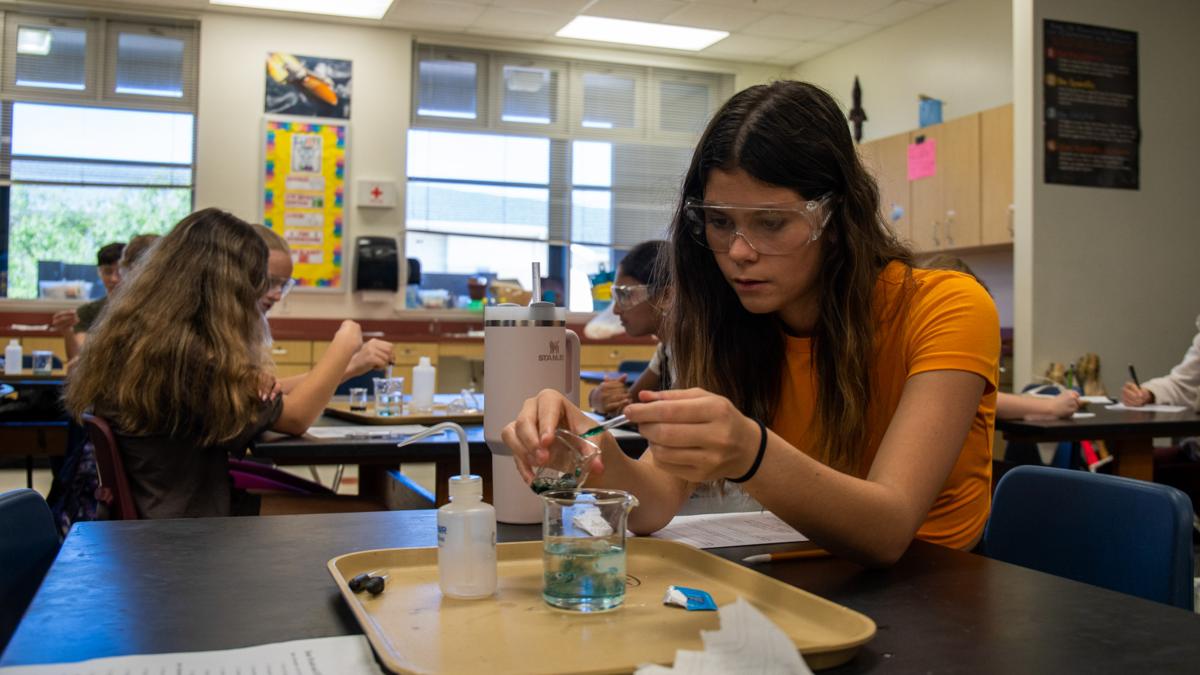



The questions challenging science education today are complex and cannot be adequately addressed through a narrow range of methods. In Florida State’s Science Education program, you’ll develop a familiarity with a wide range of approaches used in educational research to enhance student learning and the field of science education.
Florida State’s graduate programs in Curriculum and Instruction: Science Education will prepare you to address current issues related to learning, teaching, and policy in science education through research. In this program, you’ll learn best practices in science education through interdisciplinary experiences that foster collaboration between education and the sciences. As a student here, you’ll be part of a close-knit group of scholars within a major research university. You’ll learn alongside outstanding faculty who will treat you as a colleague with relevant experience and expertise.
We offer an online master’s degree in Curriculum and Instruction: Science Education for currently practicing teachers. We also offer a face-to-face master’s degree for individuals who want to perfect their science teaching and/or explore the world of science education research.
The doctoral program in Curriculum and Instruction: Science Education is designed to maximize interactions between faculty and students and focus on current issues of research and practice. It also provides you with considerable flexibility as you pursue your goals and interests. The program also features scaffolded teaching and research apprenticeships to allow you to become a productive researcher and scholar of science education and teacher education.
Please note: These programs are designed for those interested in refining their teaching practices or learning to engage in research in science teaching and learning. If you are seeking teacher certification for Science Education, please see our FSU-Teach program.
In order to meet minimum University admission requirements, applicants must have:
Florida State University
Office of Graduate Admissions
314 Westcott Building
P.O. Box 3061410
Tallahassee, FL 32306-1410
Admission to graduate study is a two-fold evaluation process. The Office of Admissions determines eligibility for admission to the University, and the academic department, program, or college determines admissibility to the degree program. University graduate admissions requirements are found at https://gradschool.fsu.edu/admissions/graduate-admissions. Academic programs have additional requirements.
Florida State University requires a course-by-course credential evaluation for all applicants that have degrees from a non-U.S. institution. International and domestic applicants with degrees earned from international institutions must submit their official transcripts through a NACES approved evaluator for transcripts from a non-U.S. institution. SpanTran has created a custom application for Florida State University that will make sure you select the right kind of evaluation at a discounted rate. See the “Transcript Requirement” section on The Graduate School website, https://gradschool.fsu.edu/admissions/graduate-admissions, for detailed information on University transcript requirements for graduate admission.
Applicants must upload the following REQUIRED supporting documents to the Admissions Application Portal:
Specialist program: Not accepting applications at this time
On campus Masters program:
Fall Admissions: July 1
Spring Admissions: November 1
Summer Admissions: March 1
Online Masters:
Fall Admissions: July 1
Doctoral program:
Fall Admissions: December 1 (priority deadline); April 1 (final deadline)
If you are interested in applying, please contact STE-GradCoord@fsu.edu.
Doctoral Student
Degree: Science Education
Hometown: Tallahassee, Florida
Advisor: Dr. Roxanne Hughes
Alicia is a part-time doctoral student interested in undergraduate research. Alicia is also an Associate Director of Florida State University’s Center for Undergraduate Research and Academic Engagement. She earned a BS in Biological Science from Florida State University and an MS in Marine and Atmospheric Sciences from Stony Brook University. Her focus is on
"I love being part of the supportive community in science education and discovering new aspects of learning. Everyone is encouraged to share their unique perspectives and engage in productive intellectual discussions. As a part-time student, who is also a mother and full-time employee, I really appreciate the support from my peers and advisors."
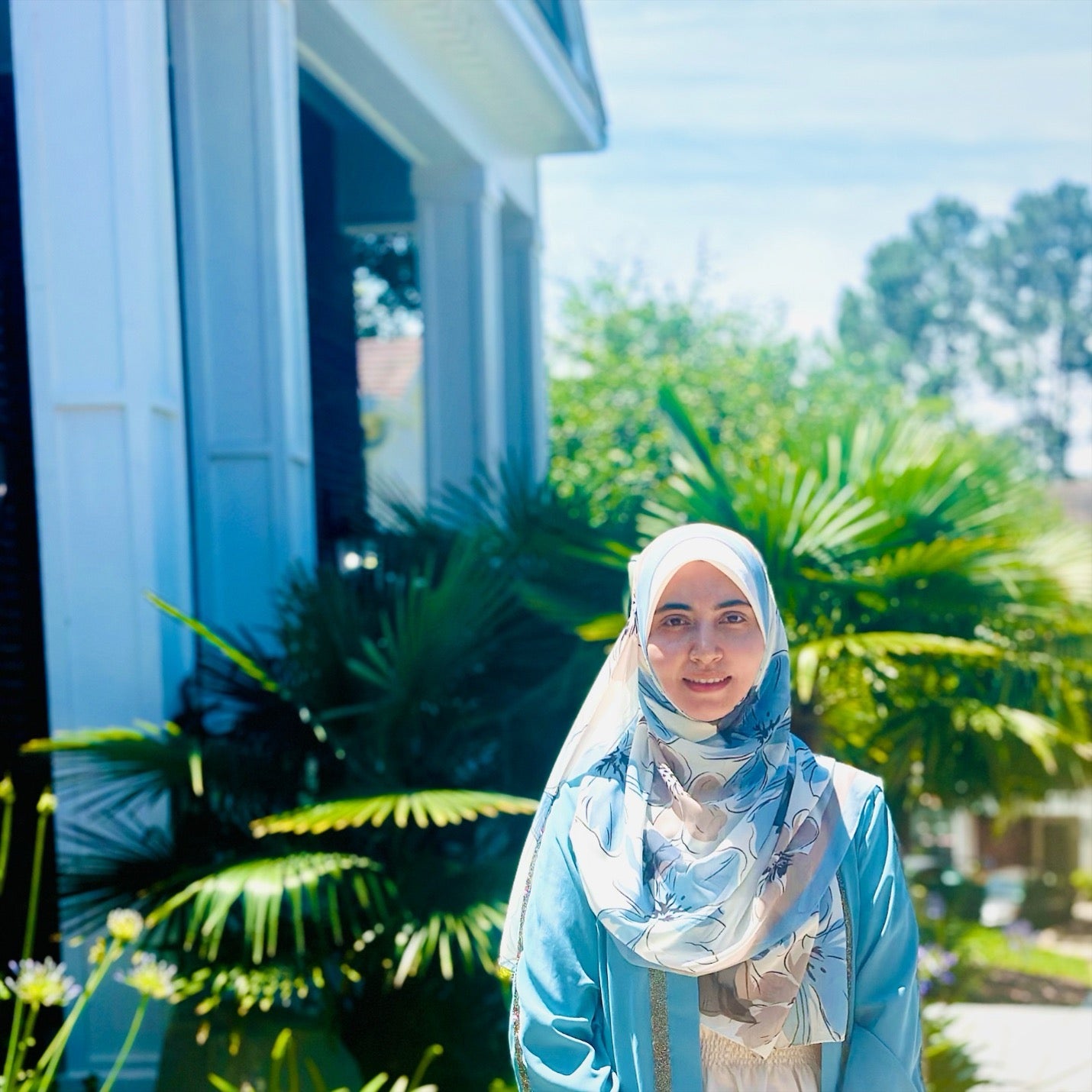 Khadija Zogheib
Doctoral Student
Degree: Science Education
Hometown: Al Mansoura, Egypt
Advisor: Dr. Lama Jaber
Khadija Zogheib is a Science Education doctoral candidate whose work centers on equitable approaches to science teaching and learning. Her research focuses on cultivating critical reflection and asset-based views of students' linguistic and cultural resources in science classrooms.
Prior to beginning her doctoral studies, she earned a Bachelor of Science and Education degree in Kindergarten from Al Mansoura University in Egypt, and a Master's degree in Child, Youth, and Family Studies, with a focus on STEM education, from the University of Nebraska-Lincoln.
"I am sincerely grateful to my professors and peers for cultivating a learning space that is supportive, inclusive, and collaborative. Our science education doctoral program's support extends beyond academic and professional development. I feel encouraged not only as a developing researcher and educator, but also as a whole person. That holistic care, fostering intellectual growth and personal well-being, has made this community truly special."
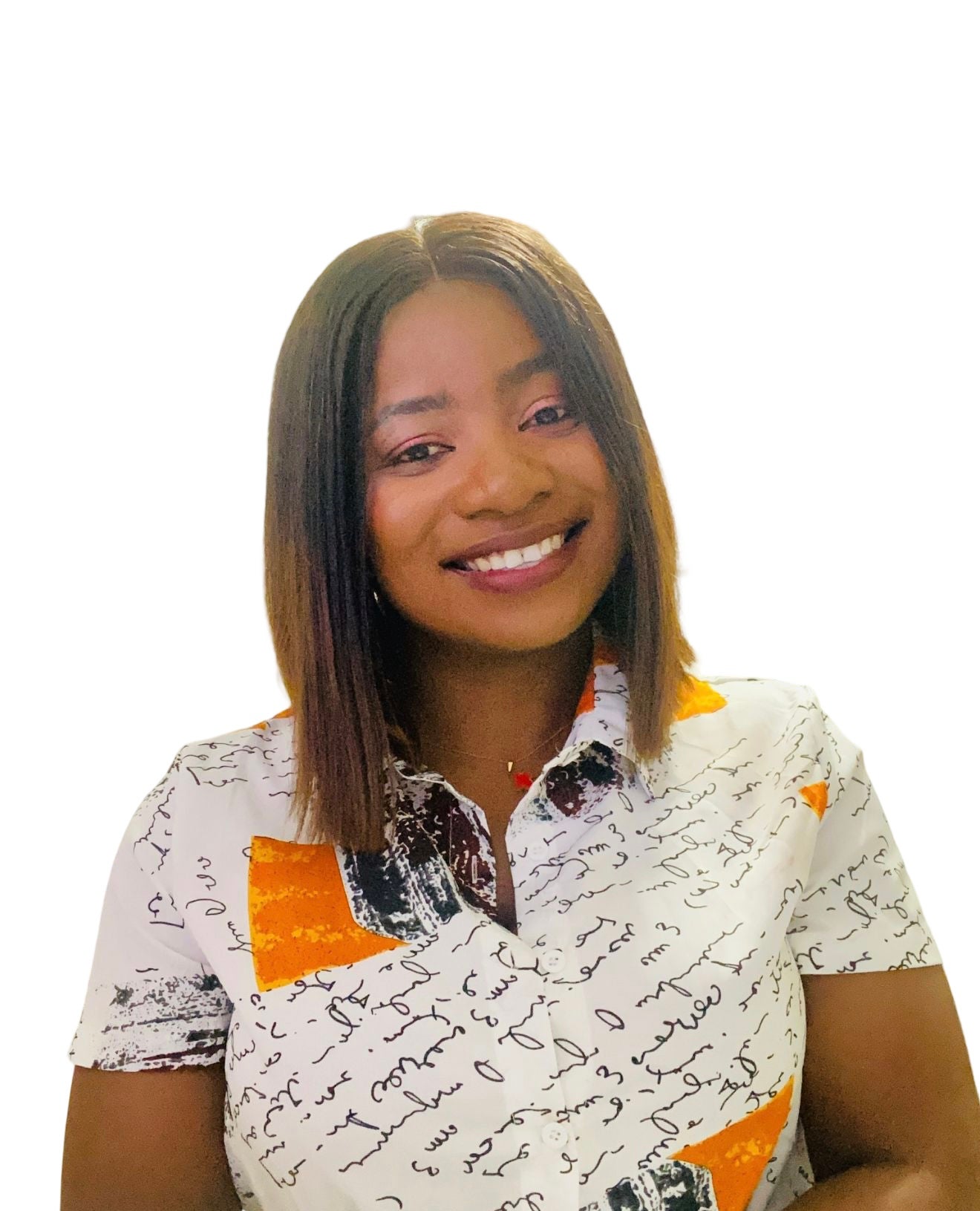 sharon ndubuisi
Doctoral Student
Degree: Science Education
Hometown: Enugu State, Nigeria
Advisor: Dr. Roxanne Hughes
Sharon Ndubuisi is a full-time doctoral student in Science Education. She earned a BS in Biology Education from the University of Nigeria, Nsukka. Her research interests include STEM education, science teaching and learning, and students’ experiences in formal and informal learning environments. She is particularly interested in how informal STEM learning environment, classroom interactions, learning opportunities, and supportive STEM programs shape how students engage with science, see themselves in STEM-related spaces, and continue developing their interests over time.
"I appreciate being part of a program where faculty and peers are genuinely supportive of each other’s work. The conversations and encouragement within this community have been important in helping me grow and refine my interests in science education."
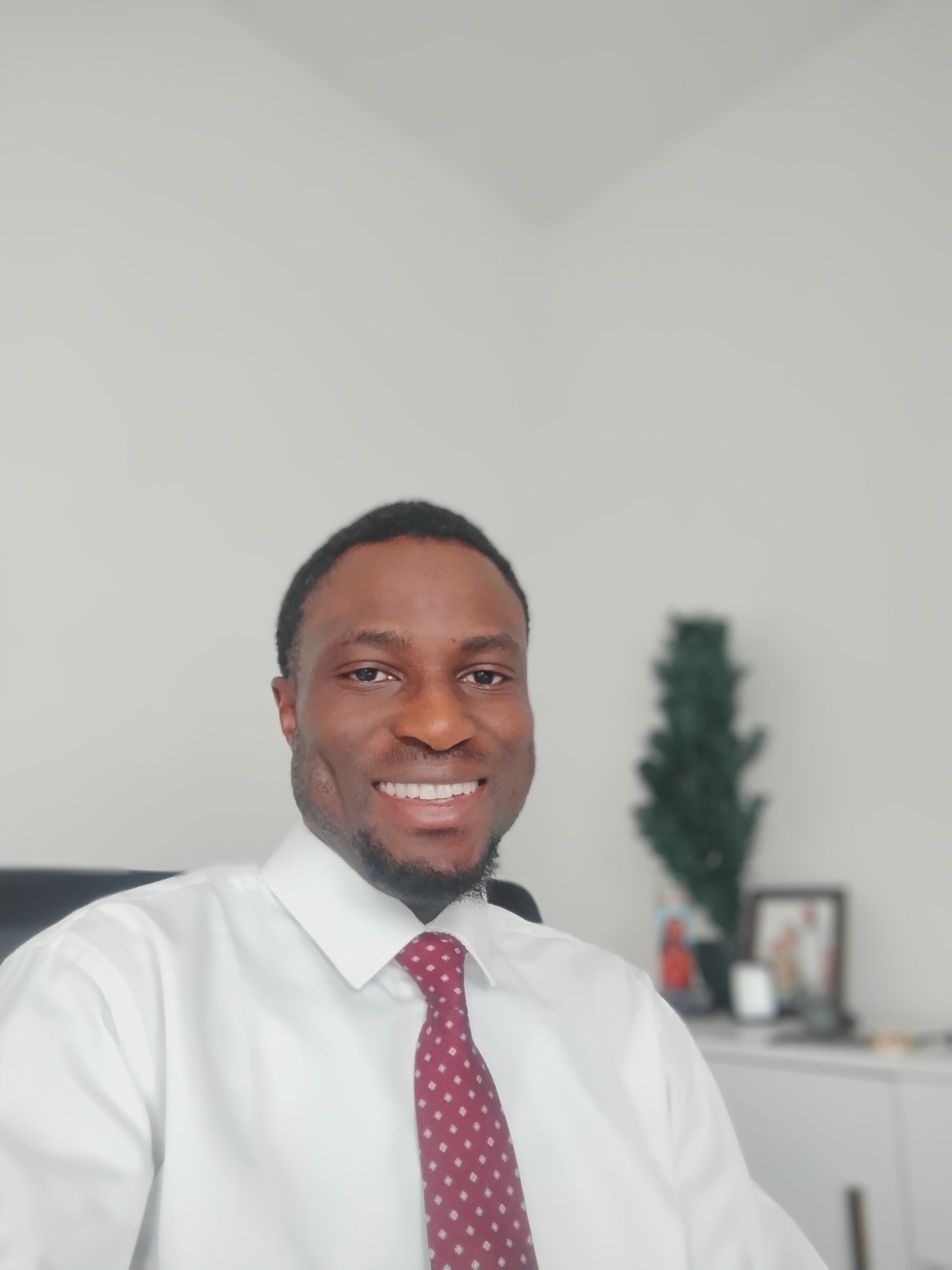 patrick sonde
Doctoral Student
Degree: Science Education
Hometown: Ogun State, Nigeria
Advisor: Dr. Amal Ibourk
Patrick Sonde is a doctoral student in science education interested in how lived and emerging experiences shape STEM identity development and influence the career trajectories of students and educators. His research explores the relationships among experiential factors, disciplinary engagement, persistence in science, the application of scientific knowledge, and transitions into STEM careers. Through this research, Patrick aims to strengthen science learning, support teacher professional growth, and foster participation in STEM fields across educational and professional contexts.
Patrick earned a Nigeria Certificate in Education (NCE) in Integrated Science and Computer Science Education, a Bachelor’s degree in Biology Education, and a Master’s degree in Science Education from the University of Ibadan, Nigeria.
"I value the Science Education program’s coursework, its teaching apprenticeship, and its research experience, all of which have shaped my professional learning. I appreciate the faculty’s commitment to building strong connections with students and offering meaningful guidance for their development. The department’s collaborative graduate community, where students encourage and contribute to one another’s scholarly progress, has also been central to my experience."
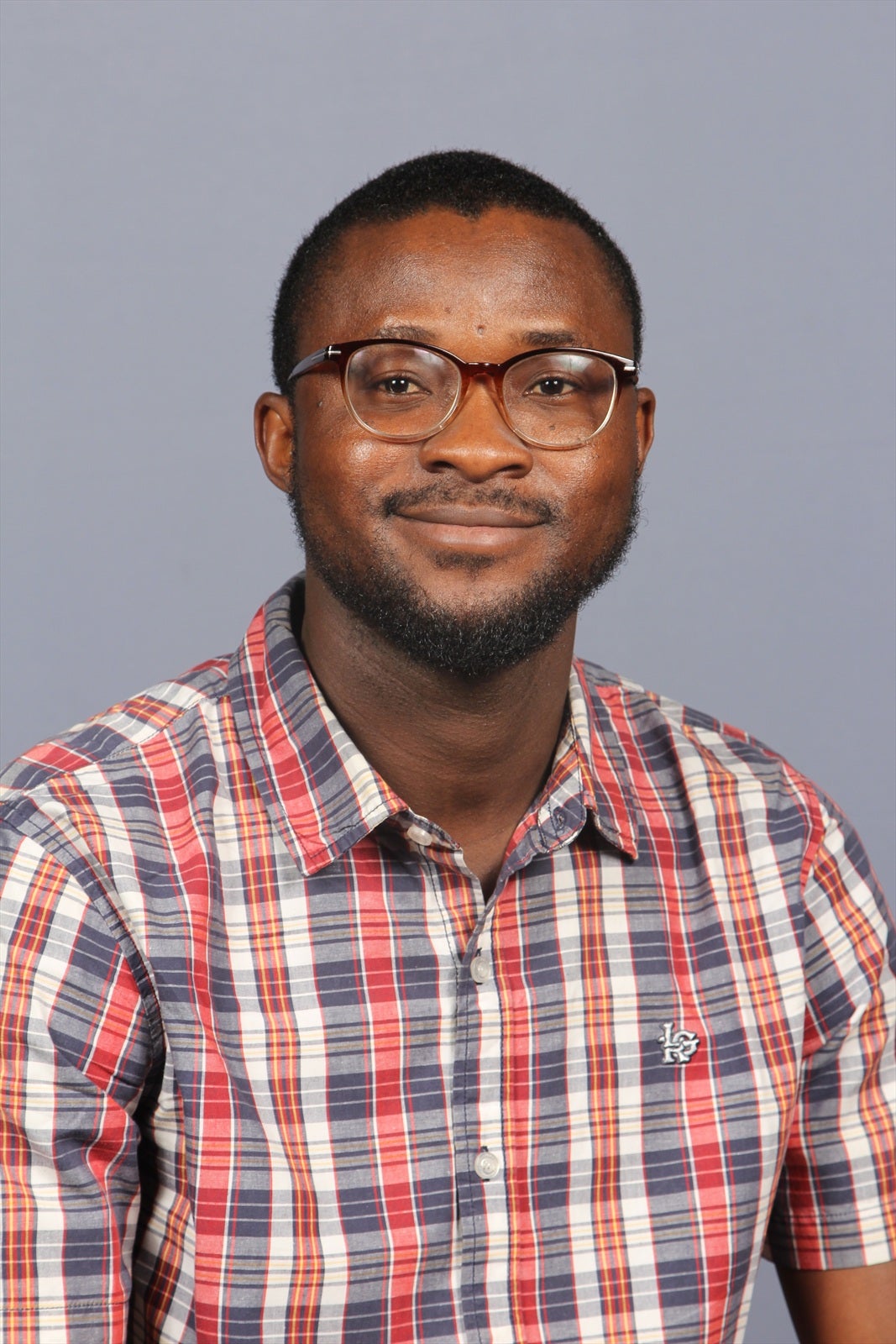 Bamidele ajayi
Doctoral Student
Degree: Science Education
Hometown: Ekiti State, Nigeria
Advisor: Dr. Lama Jaber
Bamidele Ajayi is a doctoral student in Science Education whose interests focus on science teaching and learning, the design of ambitious science learning environments, and how learners’ affective experiences shape their engagement in these environments. His research interests particularly center around how pre-service teachers develop epistemic empathy and how this orientation can be leveraged to support learners’ meaningful sensemaking and productive participation in science.
Bamidele earned a Bachelor’s degree in Biochemistry and a Post Graduate Diploma in Science Education from the University of Ilorin, Nigeria.
“My experience in the Science Education program has been both transformative and intellectually generative, contributing significantly to my professional growth as an aspiring researcher and educator. I am especially appreciative of the department’s collaborative scholarly community, one characterized by sustained mentorship, rigorous inquiry, and a culture of care fostered by faculty and fellow graduate students alike.”
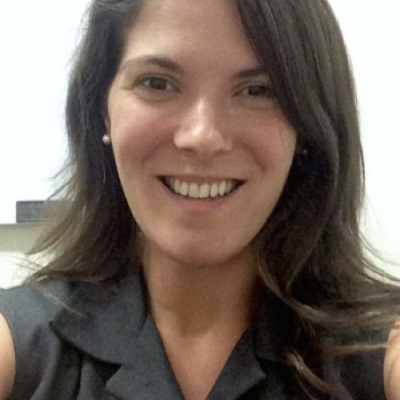
Graduation Year: 2021
Mark’s experiences in the classroom — both as a student in Nigeria /USA and as a high school teacher/instructor at the post-secondary level in the USA motivated his pursuit of the Ph.D. in Curriculum and Instruction (Science Education) at Florida State University. His academic preparation is diverse: with bachelor’s degrees in Philosophy, Christian Theology, Physics and Education as well as graduate level courses and research in Physics. Currently, Mark is a post-doctoral Research Associate at Cornell University where he works on two NSF-funded research projects — equity, and epistemological framing. The latter is a multi-university collaboration among Cornell, Tuft Universities, and University of Washington, Bothell. In his research, Mark examines small group discourses within innovative pedagogies centering on physics in order to explore dynamics in such discursive groups towards gaining insight into gender and racial (in)equity. He also seeks to understand learner/instructor epistemic positioning in inquiry-based undergraduate physics labs, and Physics TAs’ awareness, framing, and preparedness for gender equitable teaching.
Graduation Year: 2019
Advisors: Dr. Sherry Southerland & Dr. Lama Jaber
Bio: Shannon is a recent graduate of the science education doctoral program. Her research interests are centered around supporting the development of teachers’ and students’ disciplinary understandings of science, the entanglement of emotions and cognition in science learning, and how this entanglement can shape students’ perseverance and sense of belonging in science. Currently, Shannon is a post-doc at FSU working with Dr. Jaber on an NSF CAREER grant focused on cultivating teachers’ epistemic empathy to promote responsive teaching in science classrooms.
"In addition to the incredible support and collegiality fostered by faculty and fellow graduate students, my favorite thing about the science education Ph.D. program is the intellectual drive of the department, the mentorship offered by faculty, and the way grad students are considered as colleagues and co-thinkers by the faculty from the start. We are pushed to think profoundly and grapple as a community with essential questions in our field while also being allowed time to marinate on new and complex ideas."
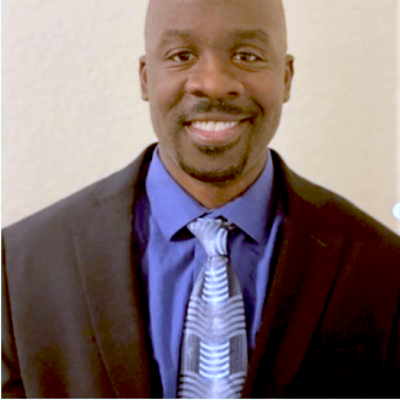
Graduation Year: 2020
Clausell’s background begins with a Bachelor’s and Master’s degree in physics. Before his time at FSU, he worked in the area of cellular and molecular biophysics. Frustrated with his career, Clausell started teaching physics at both the high school and community college levels. It was then he fell in love with teaching and decided to pursue a Ph.D. in Curriculum (Science Education) at FSU. His dissertation focused on understanding the Challenges and affordances teachers have in implementing Culturally Relevant Pedagogy in the physics classroom. Clausell is currently a postdoctoral scholar at the University of Washington-Seattle where he works on two NSF-funded projects - energy and equity, and conceptual resources. The first project examines how to develop teachers to merge equitable practices in their teaching of energy ideas. The second project researches how instructional materials can be developed to draw upon students' conceptual resources in order to understand physics ideas.
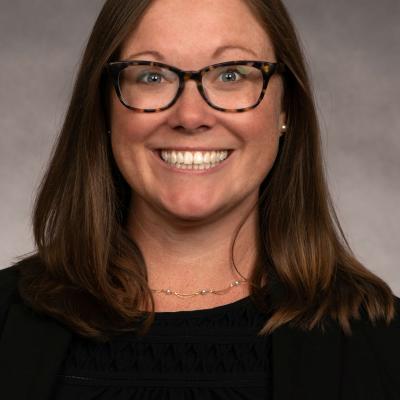
Graduation Year: 2017
Anna earned her M.S. in Biology from Florida State University in 2012 where, as a graduate teaching assistant for biology lab courses, Anna realized she was most excited to research questions focused on science teaching and learning. Anna continued working for the Biology department while she pursued a Ph. D in Curriculum and Instruction, with a focus in Science Education, in the School of Teacher Education at FSU. In these roles, Anna got to design a lab curriculum and teaching assistant professional development with the biology department and conduct research on teaching and learning in that context for her dissertation. Anna is now an Assistant Professor in the Department of Biological Sciences at Idaho State University with an active biology education research lab. Anna loves exploring biology with ISU’s undergraduate students in introductory biology and biology teaching methods courses, as well as a new course-based undergraduate research experience that she is implementing for the first time with her biology colleagues in 2021/2022. Anna is heavily involved with the Doctor of Arts and Biology Education graduate degree programs in Biological Sciences and offers a rotating sequence of graduate courses on topics in science education research, theory, and practice.
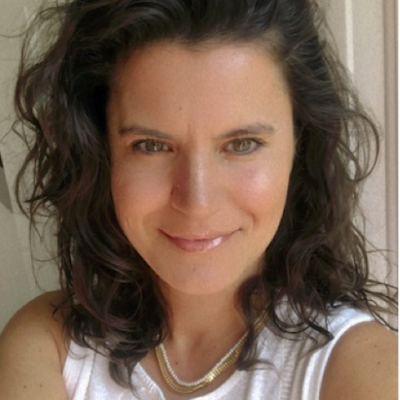
Support Specialist for the FSU Undergraduate Research Program
Degree: Science Education
Hometown: Turkey
Advisor: Dr. Sherry Southerland
Her research focuses on identifying and understanding elementary preservice teachers’ noticing of students’ thinking and supporting preservice teachers’ future responsive teaching practices in science classrooms.
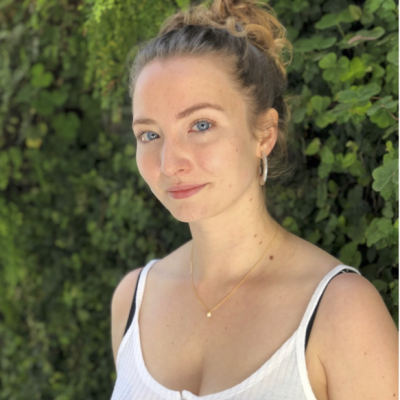
High School Science Teacher
Degree: Science Education
Hometown: Crawfordville, Florida
Advisor: Dr. Lama Jaber
Allison's research focuses on the relationship between epistemic empathy and epistemic justice, and how to support preservice teachers in their development of this empathy. "I really love how supportive and caring the faculty and my peers are in this program. Ever since I started in the Master’s program here, I’ve felt like a valid member of the community. The program is rigorous, but I feel very supported in the work."
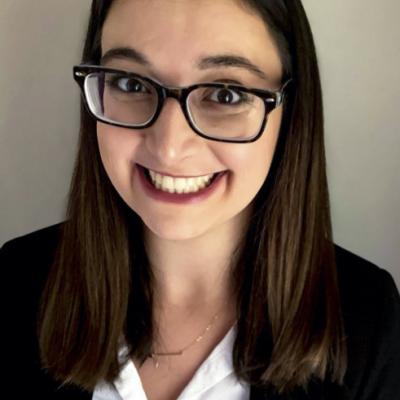
Middle School Science Teacher
Degree: Science Education
Hometown: Nokomis, Florida
Advisor: Dr. Sherry Southerland
Sierra's research focuses on teacher learning and supporting the creation of NGSS aligned assessments through teacher-researcher collaboration. Prior to joining the science ed group, Sierra graduated from the FSU-Teach program which allowed her to graduate with her degree in biology and secondary STEM education.
"What I love most about the science education program is the support from my peers and the faculty. My ideas are valued and I am constantly challenged by those around me to think deeper and figure out what kind of researcher I want to be when I finish."
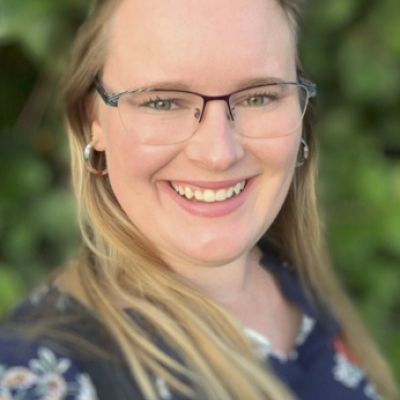
Teaching Faculty at FSU
Degree: Science Education
Graduation Year: 2023
Hometown: Tallahassee, Florida
Advisor: Dr. Sherry Southerland
Sam is an Assistant Teaching Professor in the Biology Department at FSU. She loves using the ideas she learned during her dissertation research to explore biology with her students in introductory biology courses and upper-division experimental labs.
Her teaching focuses on undergraduate biology lecture and lab courses. She is especially passionate about subjects related to ecology and evolution.
"My favorite part about our science education doctoral program is the support I get from my advisors to seek out interesting experiences that will help me in my future career. I do not think I could have sought out some of the opportunities I have without their encouragement."
Faculty who advise graduate students in the Science Education program include:
Curriculum choices in our master’s and specialist programs are designed to enable students to become teacher leaders, college instructors, as well as curriculum specialists, state testing specialists and textbook company representatives. Doctoral program graduates are prepared to become university professors, researchers and leaders in the field.
According to the U.S. Bureau of Labor Statistics, job outlook for high school teachers is expected to grow 7.5% through 2026, which equates to approximately 79,500 new jobs. The job outlook for instructional leaders/coordinators is expected to grow up to 10.5% through 2026. That translates into over 17,000 new jobs nationwide. The median national annual salary range for instructional leaders/coordinators is $64,450 per year. For university or college professors, the Bureau predicts a 9.9% increase in jobs by 2026, totaling 2,300 new jobs. The median national salary is $79,550 per year.
A career in science education can be very rewarding, and a typical path offers ample opportunities for professional development and growth. Educators make a difference in the lifelong learning experience of their students, as well as, the quality and standards of the programs they teach.