


How to Become an Instructional Designer
Instructional designers help organizations create effective learning experiences that improve performance, engagement, and outcomes. From corporate training and online education to government and healthcare systems, instructional designers are in demand across industries.
If you’re wondering how to become an instructional designer, the path typically includes developing expertise in learning design, educational technology, and performance improvement—along with building practical experience designing training and instructional materials.
A Master’s in Instructional Design and Technology from Florida State can help you gain the skills needed to transition into this growing field.

What Does an Instructional Designer Do?
Instructional designers create learning experiences that help people gain knowledge and improve performance.
Depending on the industry, instructional designers may:
- Develop online courses and eLearning modules
- Design corporate training programs
- Build onboarding and workforce development materials
- Create instructional videos and digital learning assets
- Evaluate training effectiveness and learner outcomes
- Use learning technologies and AI tools to improve engagement
Instructional designers often work closely with:
- Subject matter experts
- Corporate leaders
- Educators and trainers
- Human resources and learning & development teams
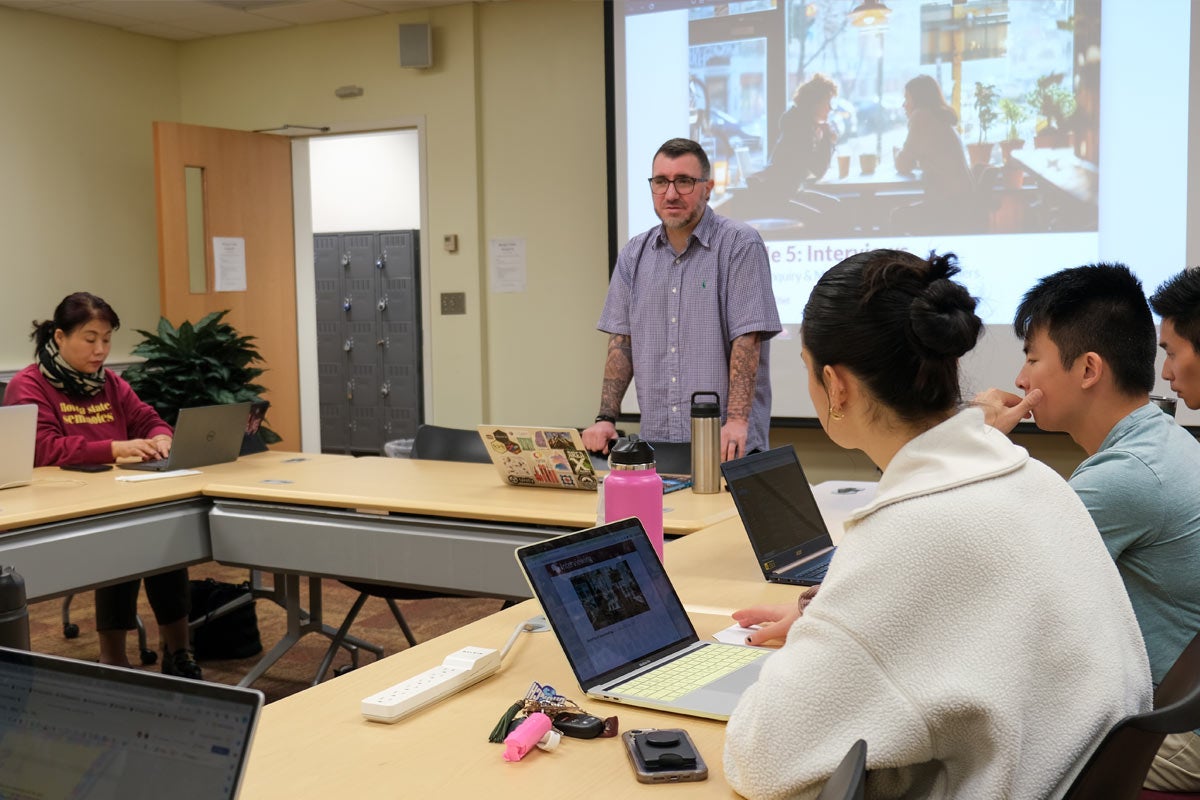
Steps to Become an Instructional Designer
1. Build Foundational Knowledge in Learning and Technology
Most instructional designers have backgrounds in:
- Education
- Training and development
- Communications
- Business
- Military instruction
- Technology or digital media
To move into instructional design, professionals typically develop familiarity with:
- Learning theory
- Curriculum development
- eLearning design
- Learning management systems (LMS)
- Instructional technology tools
2. Earn a Master’s in Instructional Design and Technology from FSU
A graduate degree can help you build specialized skills and stand out in a competitive job market.
The Instructional Systems & Learning Technologies (ISLT) program at Florida State University prepares students to:
- Design digital and in-person learning experiences
- Solve organizational performance challenges
- Develop instructional materials using industry-standard tools
- Apply systems thinking to workforce learning environments
The program combines theory with real-world application, helping students build practical skills and professional portfolios.

3. Learn Industry Tools and Technologies
Instructional designers often work with tools such as:
- Learning management systems (LMS)
- eLearning authoring platforms
- Video and multimedia software
- Collaboration and virtual learning tools
- AI-powered learning technologies
As organizations continue expanding remote and digital learning, technical fluency is increasingly important. Curriculum at Florida State leverages these technologies and centers around tool integration to equip students for today and tomorrow.
4. Build a Portfolio of Learning Projects
Employers want to see evidence of your design process and problem-solving skills.
A strong instructional design portfolio may include:
- eLearning modules
- Training presentations
- Learning experience prototypes
- Storyboards and curriculum maps
- Learning assessments and evaluations
Florida State’s graduate coursework and applied projects can help students develop portfolio-ready work before entering the field.

5. Explore Career Opportunities Across Industries
Instructional designers work in far more than traditional educational settings.
Common industries include:
- Corporate learning and development
- Healthcare training
- Government and military organizations
- Higher education
- Technology companies
- Consulting firms
Job titles may include:
- Instructional Designer
- Learning Experience Designer (LXD)
- Corporate Trainer
- eLearning Developer
- Learning & Development Specialist
- Performance Improvement Consultant
Why Instructional Design Is a Growing Career Field
Organizations increasingly rely on digital learning, workforce training, and scalable onboarding systems. As a result, professionals who can design effective learning experiences are in high demand.
Instructional design is especially appealing for professionals seeking:
- Remote or flexible career opportunities
- Career transitions from teaching or training roles
- Opportunities to combine creativity, technology, and strategy
- Work that directly impacts employee and organizational success
A Strong Pathway for Military and Training Professionals
Professionals with military or workforce training experience often transition successfully into instructional design careers.
Experience in:
- Teaching procedures
- Leading training exercises
- Developing instructional materials
- Evaluating performance
…can translate directly into instructional design and learning development roles in civilian industries.
The Future of Instructional Design
The field continues to evolve with advances in:
- Artificial intelligence (AI)
- Learning analytics
- Digital collaboration platforms
- Virtual and remote learning environments
Modern instructional designers are expected to think strategically about how technology can improve learning outcomes and organizational performance.
Advance Your Career with a Master’s in Instructional Design and Technology
Whether you’re starting a new career path or advancing your current role, the ISLT program at Florida State University can help you develop the skills needed to succeed in instructional design and learning technologies.
Request information to learn more about the program, curriculum, and career opportunities.