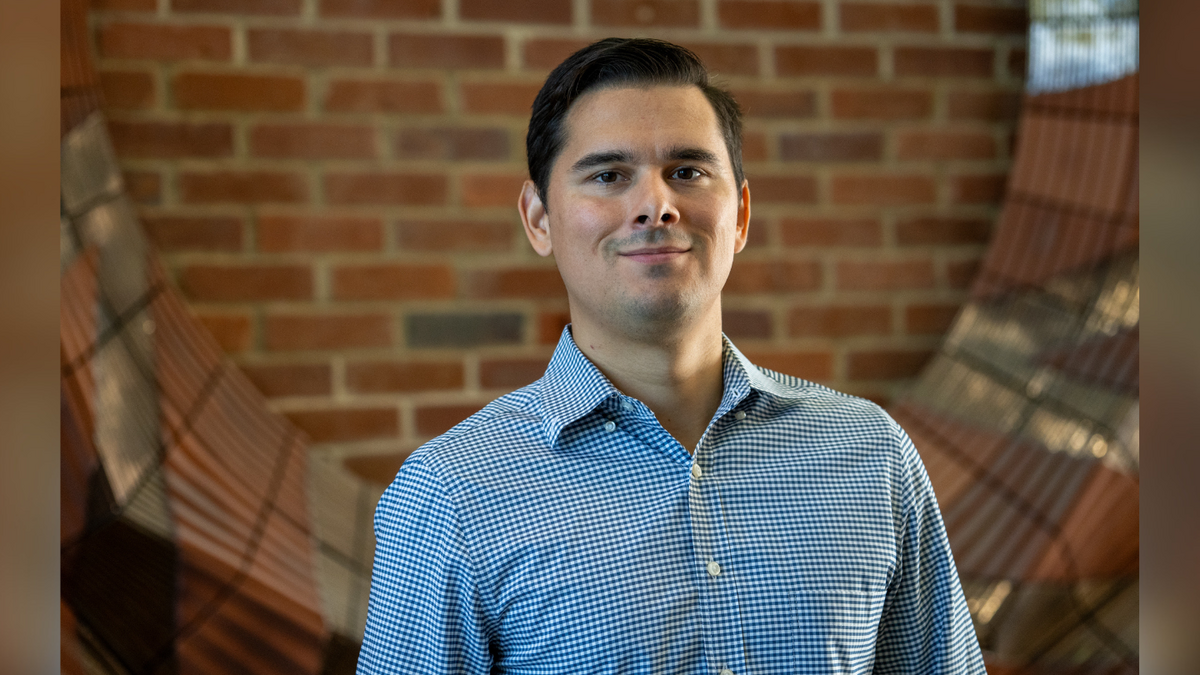
Researchers in the Solís Lab at the Anne Spencer Daves College of Education, Health, and Human Sciences at Florida State University have developed an innovative, user-friendly laboratory inventory system to simplify how scientists track materials and reagents. Their work, recently published in the peer-reviewed journal PLOS ONE , introduces the Lab Inventory Management Engine (LIME).
 LIME is a spreadsheet-based platform that integrates seamlessly with smartphone barcode scanning technology. It was created to address a common challenge faced by research laboratories: keeping accurate, up-to-date records of supplies. The system pairs a customizable spreadsheet with the Scan-IT to Office mobile app, enabling users to scan barcodes on reagents and equipment to automatically update inventory records. Each item scanned is logged and categorized into designated storage locations—such as “4°C,” “Reagents −20°C,” or “Antibodies”—allowing for organized, real-time tracking.
The goal is to reduce the time spent locating materials and allow researchers to focus more on experimentation.
Christopher Solís, assistant professor in the Department of Health, Nutrition, and Food Sciences, and senior author of the study, emphasized the motivation behind the tool:
“When I opened my lab, I immediately realized that managing inventories was a pain. I wanted to create a database system that would work like a Structured Query Language (SQL) and that would be easy to use by students and anyone with little training," he said.
 The development of LIME was a collaborative effort that highlights the important contributions of undergraduate researchers. Tiffany Salinas (pictured left), an undergraduate psychology student, and Leo Tornes (pictured right,below), an undergraduate in nutrition and food sciences, played key roles in refining the software workflow and conducting a user survey to evaluate its effectiveness.
Beyond FSU, LIME has already been tested in independent research settings.
Ligia Solís-Torres, faculty member in the School of Chemistry at the National University of Costa Rica, shared her experience using the system:
 “This inventory software has proven to be an exceptionally suitable and user-friendly tool for our laboratory; its versatility in managing different types of stock allows for a very broad scope, facilitating a precise and proper control of reagents and laboratory materials for both faculty and students at the university.”
LIME is freely available to the scientific community through GitHub, reflecting the Solís Lab’s commitment to open science and practical solutions for everyday research challenges. By combining accessibility, flexibility, and technological integration, this tool aims to bring greater efficiency and peace of mind to laboratories worldwide.