Alumni Spotlight: Tyler Greene
Tyler Greene is a Spring '26 sport psychology Ph.D. graduate from Portsmouth, Virginia.
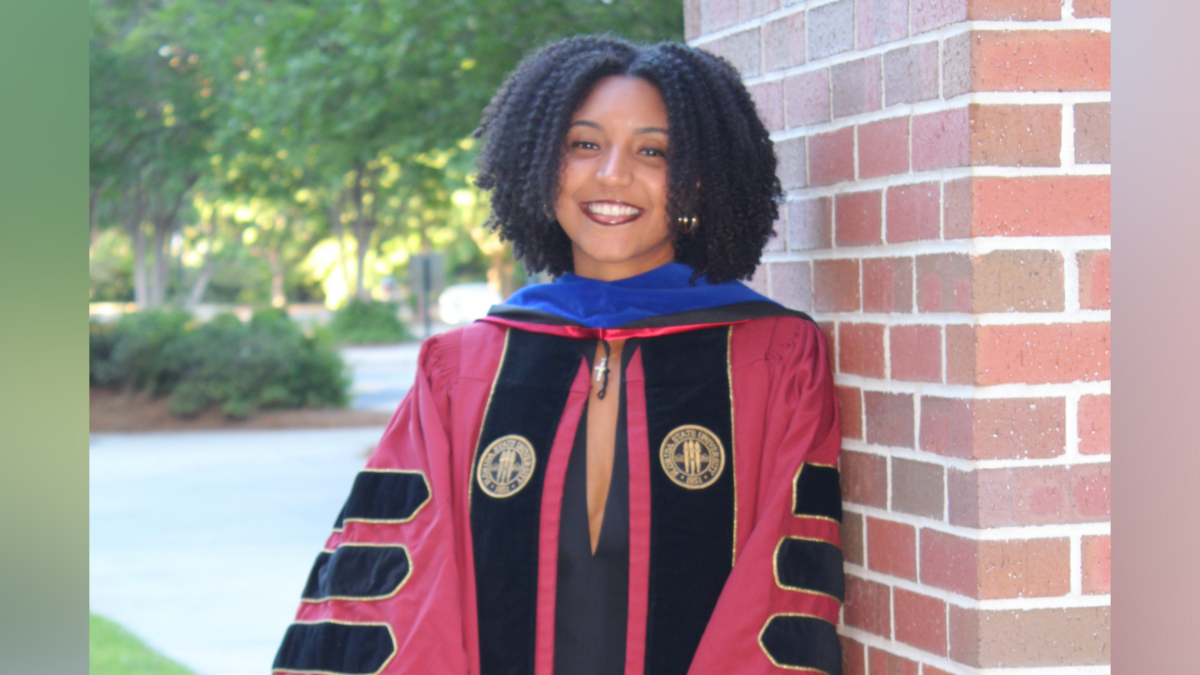


Tyler Greene is a Spring '26 sport psychology Ph.D. graduate from Portsmouth, Virginia.
What was your favorite part about studying at FSU?
The people — I have met some truly amazing people since being here in Tallahassee and at FSU. I will forever be grateful for the connections I have made through FSU, as they have opened new doors for me, provided valuable learning experiences, and allowed me to form meaningful friendships that I will cherish long beyond my time at FSU.
What made you interested in sport psychology?
I was an athlete growing up and through college. In high school, a sport psychologist came to speak at my school, and I remember being fascinated by what he discussed and thinking to myself, “His job sounds so cool — I want to do that.” That night, I went home and told my parents I knew what I wanted to do with my life.
This interest was only reinforced in college. As a Division I basketball player for six years, I experienced multiple season-ending injuries and other challenges in sport. Through my own experiences — and by watching my teammates navigate similar struggles — I was constantly reminded of how much I wanted to be the person athletes like my teammates and myself could turn to for support.
What is your favorite memory from the sport psych program?
There were many memorable moments; however, one that stands out occurred in a class where we had the opportunity to join a Zoom call with an alumna of the program who is now working in professional sport. This was such a meaningful experience because it allowed us, as current students, to speak with someone who was in our position not long ago and who now holds what I would consider my dream job. She was extremely insightful and generous in her conversation with us.
This experience also speaks to the strength of FSU’s connections. There are many alumni of the program now in similarly fascinating positions who are eager to connect with current students, including myself.
In your research of team sports, what has been the most surprising thing you've uncovered?
One of the most surprising findings in my research has been the duality between how deeply athletes are emotionally impacted by events affecting their teammates — such as injuries — and how limited their emotional awareness and vulnerability can be when it comes to discussing those experiences.
Across my studies, there was no doubt that athletes were emotionally affected by their teammates’ injuries; however, it was quite difficult for them to identify and articulate the specific emotions they experienced.
How do you hope your research helps teams in the future?
I hope to first raise awareness that athletes are emotionally and mentally impacted by their teammates’ injuries. In many cases, all attention is focused on the injured athlete immediately following the injury. While it is certainly important to support the injured athlete first and foremost, when competition resumes, the remaining athletes are still expected to perform at the same level as before the injury — often without much support or guidance on how to mentally reset.
Secondly, I hope teams can use my research to better predict how athletes might respond when a teammate is injured, as such events are inevitable in sports. If mental performance consultants, along with other support staff — coaches, athletic trainers, strength and conditioning coaches, and others — can anticipate how athletes may be affected, they can be better prepared to provide the support athletes need during these challenging moments. Additionally, if athletes themselves are aware of these impacts, they can practice mental skills to help them navigate these situations more effectively.
Where has life taken you since graduating?
Now that I have graduated, I have relocated to Jacksonville, and I am working at Jacksonville University as a Student-Athlete Mental Health and Sport Performance Counselor. I am one of two providers who serve the JU athletes in the capacity of a mental health counselor and a mental performance coach. My role involves holding both individual and team sessions to support the student-athletes.
Anything else you would like to add?
I also earned my master’s degree in clinical psychology in 2022, which has allowed me to work in the mental health field. While mental performance consulting does not require clinical training, I chose to gain this experience so I can support athletes in both their mental health and performance needs.